Hello everyone!
 My name is Christian Collins. I am originally from San Diego, CA, but I have been living in Rhode Island since the summer of 2016. I moved here with my boyfriend Ammar, as we both were placed in Rhode Island as part of the Americorps programs City Year (for myself) and Teach for America (for him). Without knowing a soul in New England, we moved from one of the largest and most populous states, to little Rhode Island.
 I have since fallen in love with Rhode Island and New England in general. We have decided to make Rhode Island our long term home and have since put down roots here, including; buying our first house (yay!), adopting our dog/son Winston (super cute!), recently sold our first home to buy our second (that was fast!) and have created long term commitments with our employers.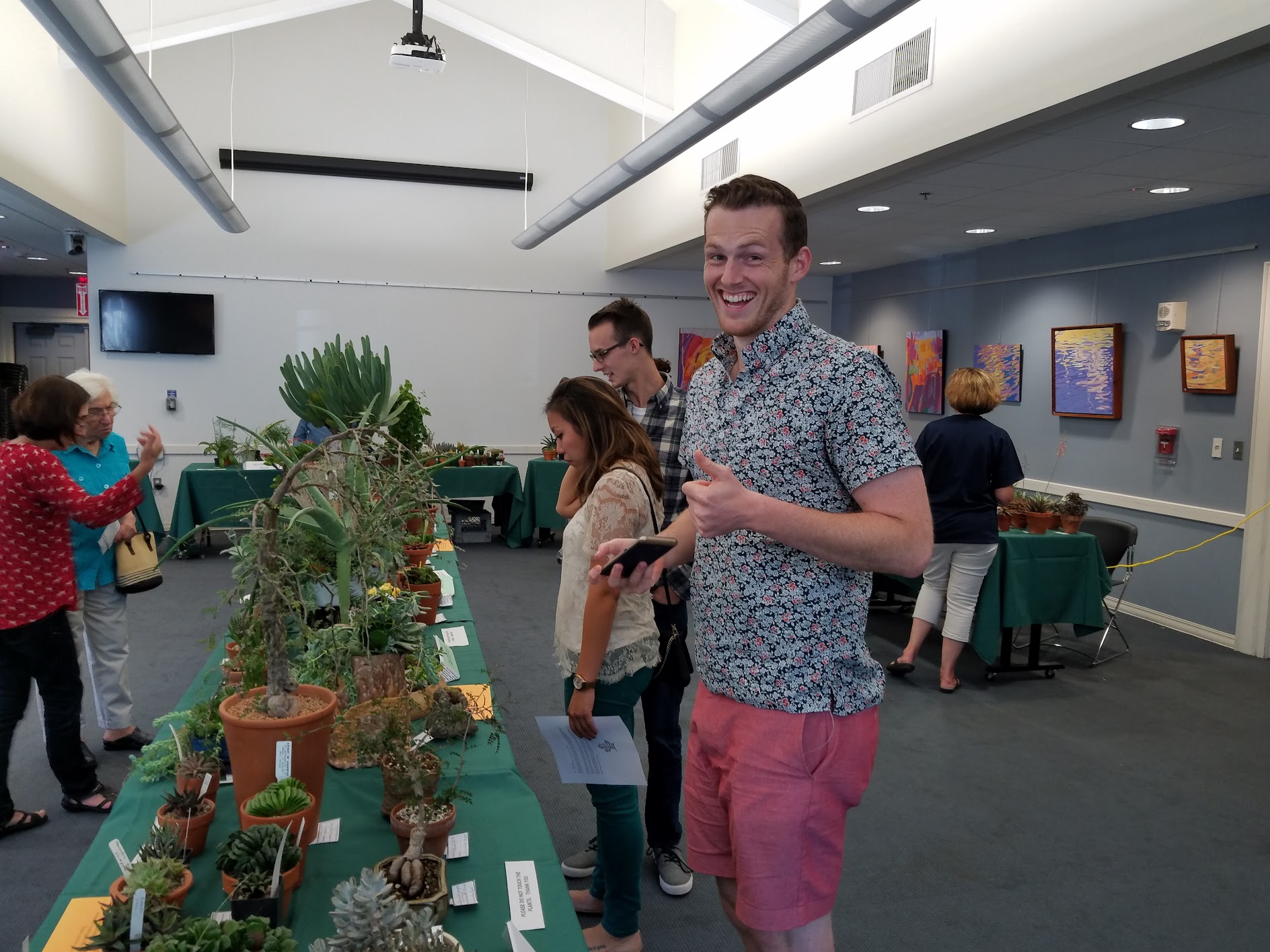
Currently, I am teaching as part of the Americorps program Teach for America. I teach 6th and 7th grade English Language Arts (with "English as a Second Language" certification) at Del Sesto Middle School. I have just completed my first year of teaching and I am so excited to have my first summer! So far, I have spent most of my time building IKEA furniture and sleeping. In July however, I will be going on a cruise to the Bahamas, visiting my brother in Seattle, and have tickets to go see Hamilton! I am taking CURR 550 as part of my IMED program, which I will be finishing this July!
In my spare time, I love to garden, hang out with my boyfriend and dog, bake, play video games or go hiking.

Comments
Post a Comment